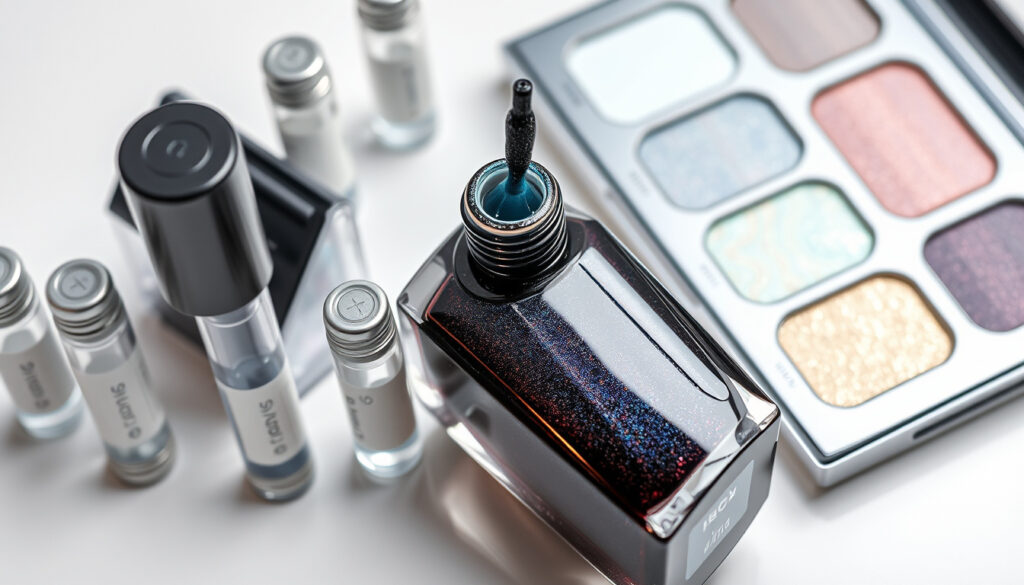
Cat Eye Nail Polish: Science, Safety, and 2026 Trends
Few nail trends have caught on as quickly as the cat eye effect—a shimmering vertical stripe that shifts with the light. But beneath the glossy surface are real questions about how it works, whether it’s safe around MRI machines, and what the 2026 outlook looks like for this magnetic nail polish. This guide walks through the science, the step-by-step application, and the safety trade-offs every user should consider.
Curing time: 60 seconds under LED lamp ·
Particle base: Iron oxide (magnetic) ·
Effect: Shimmering vertical stripe ·
Popular formula: Gel-based UV/LED curable
Quick snapshot
- Cat eye nail polish contains ferromagnetic particles (iron oxide) (Vettsy nail blog)
- The effect is achieved by aligning particles with a magnet before curing (NailKnowledge trend report)
- MRI facilities may ask to remove nail polish due to potential artifacts or safety risks (Anesthesiology News medical safety guide)
- Whether prolonged use of magnetic gel polish causes permanent nail damage
- The exact threshold of particle amount that poses a risk in MRI machines
- Long-term health effects of repeated UV exposure during gel curing
- 2020–2023: Cat eye nail polish gains traction on TikTok and Instagram (NailKnowledge)
- 2024: Major brands release dedicated collections; MRI safety concerns surface (People magazine)
- 2025–2026: Continued popularity with new color variations; discussions on nail health and safe usage expand (NailKnowledge)
- Neon and pastel cat eye shades predicted to lead 2026 trends (NailKnowledge)
- Double-stripe effects and layered designs gaining traction on social media (Vettsy)
- More salons offering cat eye as a standard service, with dedicated magnet tools (NailKnowledge)
| Attribute | Value |
|---|---|
| Cure time (gel) | 60 seconds under LED lamp |
| Active ingredient | Iron oxide (magnetic particles) |
| Typical effect | Shimmering vertical stripe |
| Origin of trend | Japanese nail art, popularized globally since 2020 (NailKnowledge) |
| MRI restriction | Often required for removal due to ferromagnetic content (Anesthesiology News) |
The pattern across these specs: the same ferromagnetic particles that create the cat eye effect also trigger MRI restrictions, making safety awareness as important as application technique.
How does cat’s eye nail polish work?
What particles create the cat eye effect?
Cat eye nail polish contains tiny magnetic particles—typically iron oxide—that are suspended in the polish base. When a magnet is held near the wet layer, these particles align into a concentrated stripe, creating the signature shimmering line. According to Vettsy nail art resource, the particles are microscopic and remain locked in place once the polish is cured under a UV or LED lamp.
What is the role of a magnet in cat eye polish?
A strong nail-art magnet is essential—a refrigerator magnet won’t work. The magnet pulls the iron particles toward it, creating a vertical line or pattern. Vettsy advises holding the magnet about 5–10 seconds before curing to set the design. The whole process needs to be done one nail at a time to prevent the particles from drifting back, as BlueSky Cosmetics UK nail brand notes.
The magnetic particles that give cat eye its shimmer also introduce a safety consideration: they are ferromagnetic, which means they react to strong MRI magnets. Anyone scheduled for an MRI should remove the polish beforehand, or risk image artifacts—and possibly nail heating.
How to use a cat eye gel polish?
What is the trick to cat eye nail polish?
The trick is timing and technique. Polish one nail at a time, apply a generous coat (a bolder effect usually requires a thicker layer, according to Paola Ponce Nails nail art instructor), then hold the magnet close—but not touching—for 10–15 seconds. Cure immediately. If you hesitate, the particles will begin to settle and blur the line.
What magnet should I use?
Use a specifically designed nail-art magnet, not a household fridge magnet. These are stronger and often have a tip that lets you control the pattern shape. BlueSky Cosmetics recommends holding the magnet over the wet cat-eye layer for 5–10 seconds before curing.
- Prep nails, apply base coat, cure.
- Apply a thin layer of base color (optional), cure.
- Apply a generous layer of cat eye gel polish.
- Hold magnet 5–15 seconds to create stripe.
- Cure immediately under LED lamp (60 seconds).
- Apply top coat, cure, finish.
Are cat eye nails damaging to nails?
Does cat eye nail polish cause nail thinning?
The gel removal process is the usual culprit. Improper removal—picking, peeling, or aggressive filing—can strip layers of the natural nail. The magnetic particles themselves are non-toxic once fully cured. Vettsy emphasizes safe removal with acetone soaking and gentle scraping.
Is frequent use of magnetic polish harmful?
Long-term effects are not well studied. Some nail experts suggest that repeated UV exposure from curing lamps may carry a cumulative risk, though the doses are low. Anesthesiology News medical safety journal notes that nail beds have been reported to heat up when magnetic nail polish is present during MRI, but this is a separate safety concern from nail damage.
The same magnetic particles that create the cat eye effect could also cause nail heating under an MRI machine. Users who love the look face a trade-off between aesthetics and potential medical safety.
Can I get an MRI with cat eye nail polish?
Does the cat-eye nail polish have metal in it?
Yes—iron oxide is a ferromagnetic material. Vettsy clearly warns that cat-eye polish contains microscopic metallic particles and should be removed before an MRI. The concern is twofold: the polish can heat up during the scan, and it can create artifacts that distort the images.
What is absolutely not allowed in a MRI room?
Ferromagnetic objects—keys, jewelry, and nail polish with metal particles—are typically banned from MRI suites. People magazine consumer news reported that a nail expert advised covering hands or feet would not avoid the potential risk. The safer recommendation is to remove magnetic polish before an MRI and, if needed, use a removable magnetic lacquer over a clear base.
“If removal is not feasible, imaging adjustments such as lower field strengths, sequence changes, or artifact-suppression software can reduce interference.” — Anesthesiology News MRI safety report
What is the trend in cat eye nails in 2026?
What colors are popular for cat eye nails in 2026?
According to NailKnowledge nail industry trend analyst, cat eye nails are predicted to dominate manicure trends in March 2026. New color options include neon shades, pastel hues, and layered double-stripe effects. Social media platforms like TikTok and Instagram continue to drive experimentation, with influencers showcasing custom designs.
Are cat eye nails still in style?
Yes—and growing. Searches for “cat eye nail polish” remain high on Google Trends. The trend is expanding beyond gel formulas to non-gel versions, making it accessible for home use. Vettsy notes that professionals and DIYers alike are adopting the technique, with dedicated magnet tools becoming a standard kit item.
As more consumers try cat eye polish at home, the risk of improper curing or removal increases. Brand and salon education on safe application and MRI awareness will be key to sustaining the trend without health incidents.
Specifications table
Cat eye nail polish products share a common set of technical characteristics. The table below breaks down the standard specs found across major brands.
| Specification | Typical value |
|---|---|
| Base type | Gel (UV/LED curable) or regular lacquer |
| Magnetic particle | Iron oxide (Fe₃O₄) |
| Cure time (gel) | 60 seconds under LED, 2 minutes under UV |
| Magnet required | Nail-art magnet (minimum 2000 Gauss) |
| Effect width | 2–5 mm stripe, adjustable by magnet angle |
| Removal method | Acetone soak (10–15 minutes) for gel |
| Shelf life | 12–24 months unopened |
| Safety note | Not MRI safe – remove before scan |
| Available finishes | Glossy, matte, shimmer |
| Compatibility | Works over base color or solo |
The pattern across these specs: cat eye polish is a specialized product that demands specific tools and curing processes. The iron oxide particles are the core differentiator, but also the source of MRI risk.
Pros & Cons
Upsides
- Unique, shimmering cat eye effect that moves with light
- Available in both gel and non-gel formulas for different skill levels
- Long-lasting when applied correctly (2–3 weeks for gel)
- Fun to customize with different magnet angles and patterns
Downsides
- Requires specialized magnet and curing lamp for best results
- MRI safety risk – must be removed before scans
- Improper gel removal can damage natural nails
- Can be tricky to apply evenly on non-dominant hand
Step-by-step summary
For those ready to try cat eye polish at home, here’s the condensed routine based on expert sources:
- Prepare nails: clean, file, push back cuticles.
- Apply a thin base coat and cure under LED lamp (60 sec).
- Optionally apply a base color and cure.
- Apply a generous layer of cat eye gel polish (Paola Ponce Nails recommends stirring first to redistribute particles).
- Hold the magnet over the wet gel for 10–15 seconds to form the stripe.
- Cure immediately – do not let the polish sit before curing (BlueSky Cosmetics stresses working one nail at a time).
- Apply top coat, cure, and wipe off tacky residue if needed.
The implication: cat eye polish is not complicated, but it forgives no delay. Speed and precision separate a crisp line from a smudged blur.
Timeline
- 2020–2023: Cat eye nail polish gains traction on TikTok and Instagram; early adopters share tutorials. (NailKnowledge)
- 2024: Major brands release dedicated cat eye collections; safety concerns about MRI begin to surface after viral TikTok stories. (People)
- 2025–2026: Predicted continued popularity with new color variations; discussions about nail health and safe usage expand. (NailKnowledge)
Clarity check
Confirmed facts
- Cat eye nail polish contains ferromagnetic particles (iron oxide) (Vettsy)
- The effect is achieved by aligning particles with a magnet before curing (NailKnowledge)
- MRI facilities may ask to remove nail polish due to potential artifacts or safety risks (Anesthesiology News)
- Nail beds have been reported to heat up when magnetic nail polish is present in MRI (Anesthesiology News)
- If removal is not feasible, imaging adjustments can reduce interference (Anesthesiology News)
What’s unclear
- Whether prolonged use of magnetic gel polish causes permanent nail damage
- The exact threshold of particle amount that poses a risk in MRI machines
- Long-term health effects of repeated UV exposure during gel curing
Expert perspectives
“Champagne nude infused with a white and lilac velvet effect shimmer.” — The GelBottle Inc product description via Vettsy
“The safer recommendation is to remove magnetic polish before an MRI and, if needed, use a removable magnetic lacquer over a clear base.” — People magazine nail expert interview
“Patience and one-nail-at-a-time application keep the stripe crisp.” — NailKnowledge nail industry resource
Summary
Cat eye nail polish sits at the intersection of beauty innovation and medical caution. Its magnetic particles allow a stunning visual effect that few polishes can match, but that same ferromagnetic content creates a real safety risk during MRI scans. The 2026 trend signals point toward continued popularity, especially as neon and pastel shades enter the market. For anyone scheduled for an MRI, the choice is clear: remove the polish before your scan, or risk imaging artifacts and potential discomfort.
Related reading: Cat eye nails trend 2026 · How to apply cat eye gel polish
pmc.ncbi.nlm.nih.gov, reddit.com, altuslearn.com, instagram.com, medtronic.com, youtube.com
For a deeper look at application techniques and safety considerations, check out this cat eye nail polish guide.
Frequently asked questions
How long does cat eye nail polish last?
Gel-based cat eye polish typically lasts 2–3 weeks before chipping or growth becomes noticeable. Non-gel formulas last about 3–5 days.
Can I use cat eye nail polish without a UV lamp?
Yes—there are non-gel cat eye polishes that air-dry. However, the magnetic particles in these formulas tend to settle more quickly and the effect may be less durable.
What kind of magnet do I need for cat eye nails?
A dedicated nail-art magnet, typically with a strength of at least 2000 Gauss. Regular fridge magnets are too weak to pull the iron particles effectively.
Is cat eye nail polish safe during pregnancy?
There is no specific evidence that cat eye polish is dangerous during pregnancy. However, some women choose to avoid UV curing due to the lack of long-term studies on UV exposure.
How do I remove cat eye gel polish at home?
Soak cotton pads in acetone, place them on nails, wrap in foil, and leave for 10–15 minutes. Gently push off the softened gel with a wooden stick. Do not peel or pick.
Can I mix cat eye polish with other colors?
Yes. Apply a base color first, let it cure, then apply the cat eye polish on top. Black, navy, and burgundy bases often make the shimmer stand out more.
Does cat eye nail polish work on natural nails?
Yes, it works on natural nails as long as the surface is clean and dry. For gel formulas, proper buffing and a base coat are recommended.
More related posts
 Pearl (2022 Film): Prequel, Scares, and Character Study
 Fish with Big Lips: Names, Species, and Aquarium Guide
 Titus Makin Jr. – Why He Left The Rookie and His Music Now
 Christopher Briney Movies & TV Shows: Full Filmography
 What Time Is Sunset Tonight in Ireland? Complete Guide
 Mazda Dealer Near Me in Ireland: Dealers & Reliability Tips
 Guru Nanda Whitening Strips: Do They Work? Safety & How to Use
 What Causes Acid Reflux: Triggers, Foods & Prevention Tips