What Causes Acid Reflux: Triggers, Foods & Prevention Tips
If you’ve ever lain awake at 2 a.m. with that familiar burning in your chest, you know acid reflux isn’t just an inconvenience — it’s a thief of sleep and a daily worry for millions. The good news is that most triggers are well-documented by medical researchers, and understanding exactly why they cause problems gives you real power to stop them. Here’s what the science says about what’s actually happening in your gut, and which foods, habits, and timing choices deserve your attention first.
Primary Mechanism: Lower esophageal sphincter relaxes at wrong time · Common Triggers: Fatty or spicy foods, coffee, alcohol, chocolate · Risk Factors: Overweight, smoking, pregnancy · Nocturnal Factor: Lying down soon after eating · Prevalence Note: Often after large meals
Quick snapshot
- LES malfunction allows acid backup (Johns Hopkins Medicine)
- High-fat foods lower LES pressure (Am J Gastroenterol)
- Dinner-to-bed under 3 hours multiplies GERD risk 7.45× (Am J Gastroenterol)
- Why some people suddenly develop reflux after years of eating the same diet
- Exact threshold amounts for individual trigger foods
- 2005 study established dinner-to-bed timing link to GERD odds
- 2017 Korean research linked spicy stews to reflux in over half of cases
- Small meal adjustments and timing awareness are accessible first steps
- GERD prevalence estimates suggest roughly 20% of the population deals with chronic symptoms
These key facts summarize the core mechanisms and research findings that shape the rest of this guide.
| Label | Value |
|---|---|
| Core Cause | Improper LES relaxation |
| Top Food Triggers | Fatty, spicy, chocolate |
| Lifestyle Risks | Overweight, smoking |
| Timing Factor | Post-meal lying down |
| Pre-Bed Fasting | Minimum 3 hours |
| Key Study Odds Ratio | 7.45× (under 3h dinner-to-bed) |
What Are the Main Causes of Acid Reflux?
Acid reflux happens when stomach acid backs up into the esophagus. The root cause is usually a malfunction of the lower esophageal sphincter (LES) — a ring of muscle that acts like a one-way valve between the stomach and esophagus. When the LES relaxes at the wrong time or weakens, acid escapes upward.
Lower Esophageal Sphincter Issues
According to Johns Hopkins Medicine, foods high in fat relax the LES and delay stomach emptying, increasing reflux risk. This means rich, heavy meals create a double problem: the sphincter loosens, and the stomach takes longer to clear its contents.
- High-fat foods lower LES pressure and prolong stomach transit time
- Fried foods, fast food, pizza, and fatty cuts of meat are consistent triggers
- Cheese and full-fat dairy products carry the same risk profile
Anatomical Factors
Research from the American Journal of Gastroenterology shows that when you eat close to bedtime, gravity can’t help keep acid in the stomach. A study published in 2005 found that patients who ate less than three hours before sleeping had an odds ratio of 7.45 for developing GERD symptoms — a striking figure that underscores how timing compounds anatomical vulnerability.
The LES doesn’t just respond to what you eat — it responds to when you eat. Late-night diners face a geometric disadvantage that meals earlier in the day simply don’t create.
What Triggers Your Acid Reflux?
Beyond the core LES mechanism, specific lifestyle factors and substances directly increase reflux frequency. Identifying your personal triggers requires understanding both dietary components and behavioral patterns.
Lifestyle Factors
Obesity increases abdominal pressure, which can force acid upward through a weakened sphincter. Smoking directly impairs LES function — tobacco relaxes the muscle while also reducing saliva production, which normally helps neutralize acid. Pregnancy hormones cause similar relaxation effects, and tight clothing around the waist can physically push stomach contents upward, particularly when lying down.
- Excess body weight raises intra-abdominal pressure
- Tobacco use weakens LES tone and reduces saliva
- Pregnancy hormones relax smooth muscle throughout the digestive tract
- Tight waistbands create mechanical compression
Medications and Habits
Certain medications relax the LES or irritate the esophageal lining. Common culprits include ibuprofen, aspirin, and some blood pressure drugs. As Ilyas Memon, MD notes, several common foods and medications act as LES relaxers: garlic, chocolate, caffeine, alcohol, and spicy foods are particularly problematic, especially when consumed before bed.
Patients on regular pain relievers who experience heartburn often don’t connect the two. Addressing medication-related reflux requires a conversation with your doctor about alternatives, not just dietary adjustment.
What Foods Cause Acid Reflux?
Specific foods are documented LES relaxers or irritants, though individual reactions vary. The following categories appear consistently across major medical sources as triggers worth monitoring.
Worst Offenders
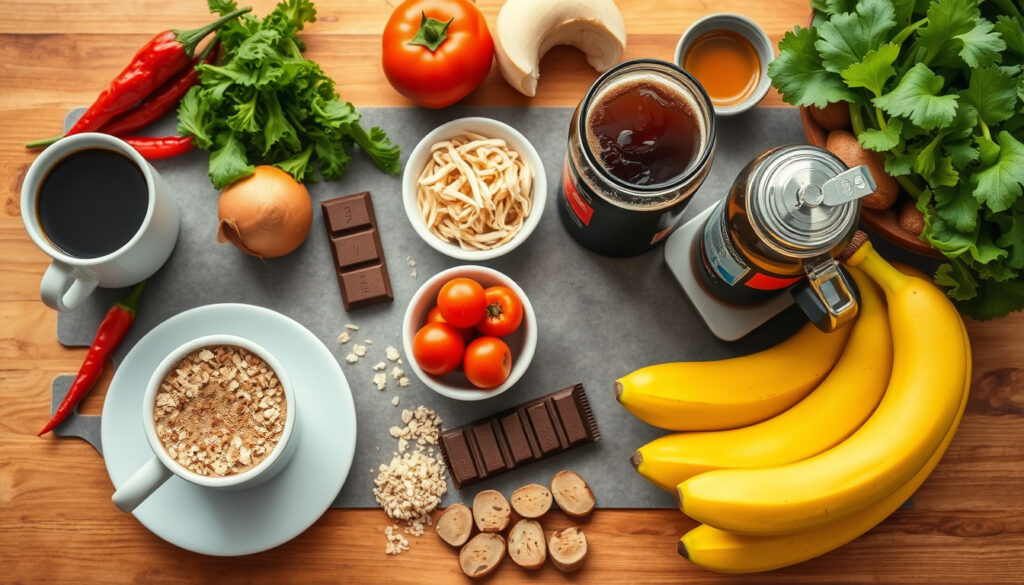
Johns Hopkins Medicine lists tomato-based sauces, citrus fruits, chocolate, peppermint, and carbonated beverages among foods that cause sphincter relaxation and delayed digestion. Banner Health adds that chocolate and caffeine both relax the LES and stimulate additional stomach acid production, creating a two-stage attack on reflux control.
- Tomato-based sauces and ketchup (high acidity)
- Citrus fruits and juices (acidic content)
- Chocolate (contains methylxanthines that relax smooth muscle)
- Peppermint and spearmint (direct esophageal irritation in GERD patients)
- Carbonated beverages (belching increases acid exposure)
Foods to Limit
Spicy foods containing capsaicin irritate the esophagus and increase acid production. A 2017 Korean study found that hot spicy stews caused GERD symptoms in over half of the cases observed. Fried foods reduce LES pressure due to their fat content, and Oshi Health notes that air frying with minimal oil may allow some patients to enjoy fried foods without triggering symptoms — though individual response varies significantly.
Patients who love spicy food don’t necessarily have to give it up entirely. Limiting portions and pairing with alkaline foods can reduce the irritant load on the esophagus, even if it doesn’t eliminate risk entirely.
- Onions and garlic (common late-night triggers)
- Whole milk and butter (calcium stimulates acid production)
- High-fat red meats and processed fatty meats
- Spicy peppers and hot sauces (capsaicin irritation)
What Causes Acid Reflux at Night?
Nighttime reflux deserves special attention because gravity works against you when you’re horizontal, and saliva production drops during sleep. Understanding why symptoms worsen after dark helps explain why timing matters as much as food choice.
Positioning Effects
When you lie down, the LES sits at the same level as the stomach contents, making it easier for acid to escape upward. The American Journal of Gastroenterology research confirms that the dinner-to-bed interval is one of the most measurable risk factors for nighttime GERD. Patients who ate less than three hours before sleeping showed a 7.45 odds ratio for symptoms compared to those with longer intervals.
- Horizontal position removes gravity’s protective effect
- Reduced swallowing during sleep means less acid clearance
- Smaller salivary glands output at night means less natural acid neutralization
- Eating within 3 hours of bed dramatically increases risk
Evening Habits
Healthline reports that alcohol, caffeinated drinks, and spicy foods are common evening triggers that cause reflux specifically at night. Large rich meals before bed compound the problem because food sits longer in the stomach when you’re lying down, giving acid more time and opportunity to escape.
Tight clothing around the waist also increases upward acid movement when you’re horizontal. Tums recommends avoiding eating within three to four hours of sleep to prevent nighttime heartburn, and avoiding trigger foods late in the evening is a straightforward intervention that many patients underestimate.
What Are the Symptoms of Acid Reflux?
Recognizing symptoms early helps you intervene before minor reflux becomes chronic GERD. The signs range from obvious to subtle, and their frequency and severity often indicate whether lifestyle changes or medical evaluation are needed.
Common Signs
Heartburn — that burning sensation behind the breastbone — is the most recognized symptom, typically occurring after meals or at night. Johns Hopkins Medicine identifies regurgitation (the sensation of acid backing up into the throat or mouth) as another hallmark sign. Chest pain can mimic cardiac symptoms, and chronic cough, hoarseness, or difficulty swallowing may indicate esophageal irritation over time.
- Heartburn (burning chest pain after eating)
- Regurgitation (acid backing into throat or mouth)
- Chest discomfort that can resemble cardiac pain
- Chronic cough unrelated to respiratory illness
- Hoarseness, particularly in the morning
When to Seek Help
Occasional reflux is normal; frequent symptoms (twice per week or more) may indicate GERD requiring medical attention. Warning signs that warrant prompt evaluation include difficulty swallowing, unintended weight loss, vomiting blood, or black stools. As Healthline (medically reviewed April 3, 2023) notes, chronic untreated reflux can damage the esophageal lining and increase cancer risk over time.
“Spicy foods, citrus fruits, chocolate, caffeine, and alcohol can all relax the LES, making reflux more likely.”
— Dr. Shaikh, MidState Medical Center
“If you would rather not give up coffee or tea, try not to drink them on an empty stomach. That can reduce any symptoms.”
— Taylor, Banner Health
Small, frequent meals instead of large heavy ones help manage symptoms by keeping the stomach from distending excessively. Johns Hopkins Medicine recommends this approach alongside avoiding trigger foods late in the day, noting that what you eat and when you eat it are equally important levers for control.
Related reading: Air Fry Pork Chops: Perfect Time & Temp for Juicy Results · Symptoms of a Stroke: 5 Warning Signs and FAST Test
Acid reflux often stems from key triggers and risk factors like inappropriate LES relaxation, alongside dietary and lifestyle contributors that exacerbate the condition.
Frequently Asked Questions
Why am I suddenly getting acid reflux a lot?
Sudden increases in reflux frequency often indicate a change in triggers, not necessarily a new disease. Common causes include weight gain, new medications, increased stress, or dietary shifts. If symptoms persist for more than two weeks, consult a healthcare provider to rule out underlying conditions and discuss management options.
What drink kills acid reflux?
No single drink “kills” acid reflux, but alkaline options like milk (though dairy can trigger some people), ginger tea, and water may provide temporary relief. Water helps dilute stomach acid and clear the esophagus, while ginger has mild anti-inflammatory properties. However, individual responses vary, and trigger tracking is more reliable than relying on any specific drink for symptom management.
What to do during an acid reflux attack?
During an active attack, sit upright to use gravity against the reflux, avoid lying down, and sip water slowly. Over-the-counter antacids can provide quick relief by neutralizing existing acid. Identify what triggered the episode (food, timing, or clothing) so you can address it before the next occurrence.
Is acid reflux dangerous?
Occasional reflux is normal and not dangerous. Chronic GERD, however, can lead to esophagitis, strictures, Barrett’s esophagus, and increased esophageal cancer risk over time. The threshold for concern is symptoms occurring twice per week or more, or any warning signs like difficulty swallowing or weight loss that warrant medical evaluation.
How to cure acid reflux?
Acid reflux is typically managed rather than cured. Lifestyle modifications (diet changes, weight management, timing adjustments) form the foundation. Medications like H2 blockers and proton pump inhibitors reduce acid production and can heal esophageal damage. Surgery is reserved for severe cases unresponsive to other treatments. Most patients achieve good control through combined approaches.
Does water help acid reflux?
Water can help dilute stomach acid and clear acid from the esophagus, providing temporary relief. Drinking water between meals rather than with meals may also aid digestion without overdistending the stomach. However, water is a management tool, not a cure, and should complement rather than replace dietary and behavioral changes.
More related posts
 Holiday Inn Club Vacations: Resorts, Timeshares & Exit Info
 UT vs A&M: Which School Is Better? Full Comparison
 The Other Boleyn Girl: Accuracy, Facts & Historical Truth
 Discover It Credit Card Review: Pros, Cons & Value
 Christopher Nolan’s The Odyssey Trailer: Cast & Release Date
 Michael Porter Jr. update: Trade, injury, and career stats
 What Is the Standard Deduction for 2025 – Amounts by Filing Status