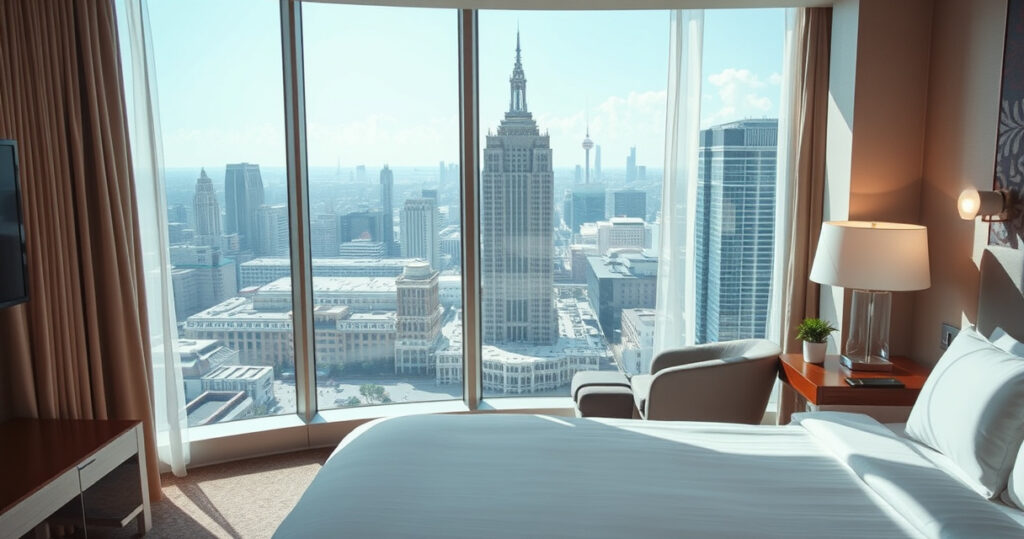
The myth of the fixed hotel rate: why your neighbour paid less
You search for a hotel room, see a price, check again an hour later and it has jumped £40. Dynamic pricing is now standard across the UK hotel industry, but most travellers do not understand how it works or what triggers the changes. Here is what you need to know.
How hotel dynamic pricing actually works
Hotels have quietly moved away from fixed room rates and now use software that adjusts prices in real time based on demand, competitor rates, booking windows and local events. This system, known as revenue management, has been standard in airlines for decades but has spread rapidly across UK hotels since 2020.
According to data from STR Global, a hospitality data analytics firm, UK hotel revenue per available room rose by 12.4% in 2023 compared to the previous year, driven partly by more aggressive yield management. The system works by dividing rooms into “rate buckets” — standard, premium, last-minute — and shifting inventory between them automatically.
Hotels using dynamic pricing typically update rates every 15 to 30 minutes. A room listed at £120 at 10am might be £160 by 2pm if the hotel’s algorithm detects increased search activity for that date. The same room could drop back to £110 if a competitor cuts its rate or if the booking window moves closer to check-in.
The triggers that make your room cost more
Several specific factors cause hotel prices to spike, and understanding them can help travellers avoid paying over the odds. The most common trigger is occupancy rate: once a hotel reaches 70% occupancy, algorithms typically raise prices by 15-25% for remaining rooms.
Local events are another major factor. When Manchester hosted the UEFA Champions League final in June 2023, hotel prices in the city centre rose by an average of 340% compared to the same weekend the previous month, according to data from Visit Manchester. Similar surges occur during the Edinburgh Festival, Cheltenham Gold Cup week and major concerts.
- Booking window: Prices are often lowest 21-28 days before check-in, then rise sharply within 7 days
- Day of week: Business hotels in cities like Birmingham and Manchester are cheapest on Fridays and Saturdays
- Competitor movement: If three nearby hotels raise prices, algorithms often follow within minutes
- Search frequency: Repeated searches for the same hotel can trigger price increases on some booking platforms
Consumer group Which? has warned that some online travel agencies use “dynamic pricing” that responds to individual user behaviour, not just market conditions. Their 2023 investigation found that searching for the same hotel multiple times on the same device sometimes led to higher quoted prices, though the practice is not universal.
What UK law says about changing hotel prices
Under UK consumer protection law, hotels and booking platforms must display the total price prominently before you enter payment details, but there is no legal requirement to keep a price stable once it has been displayed. The Consumer Rights Act 2015 requires prices to be clear and not misleading at the point of sale, but dynamic pricing itself is legal.
The Competition and Markets Authority (CMA) has investigated dynamic pricing in the online hotel booking sector. In 2019, the CMA secured commitments from major booking sites to be clearer about how prices are calculated and to stop giving misleading impressions about room availability. However, the regulator has not banned price changes based on demand.
The key legal point is that a hotel price is not a binding offer until you have completed the booking and received confirmation. Before that point, the hotel or platform can change the price at any time. If you see a price and leave the page, there is no guarantee it will still be available when you return.
| Scenario | Legal position |
|---|---|
| Price changes before you click “book” | Legal — no contract exists yet |
| Price changes after booking confirmation | Generally not allowed — hotel must honour the agreed price |
| Platform shows “only 1 room left” but it’s not true | Potentially misleading — CMA has acted on this |
How to avoid paying more than you need to
Travellers can take practical steps to reduce the impact of dynamic pricing without relying on booking hacks that promise the “best deal”. The most effective approach is to understand the pricing patterns and plan accordingly.
Booking directly with the hotel rather than through an online travel agency sometimes gives access to lower rates, but not always. Some hotel chains offer “best rate guarantees” if you book direct, while others reserve their lowest rates for loyalty programme members. The key is to check multiple sources — the hotel’s own website, two or three booking platforms, and the hotel’s phone line — before making a decision.
Another strategy is to book early for major events. For the 2024 Edinburgh Festival, hotels in the city centre began raising prices in January, with some rooms eventually costing four times their off-season rate. VisitBritain advises travellers to book accommodation for festivals and major sporting events at least three months in advance to secure lower rates.
For last-minute bookings, consider staying slightly outside the city centre. A room in zone 2 of London might be half the price of a comparable room in zone 1, and the transport connection is often quick and reliable. Similarly, hotels near airport transport hubs in Manchester and Birmingham often have more stable pricing than city-centre properties.
What the industry says about fairness
Hotel industry representatives argue that dynamic pricing allows them to offer lower rates to early bookers and fill rooms that would otherwise go empty. The British Hospitality Association has stated that revenue management systems help hotels remain viable, particularly given rising energy costs and staff shortages that have pushed up operating expenses.
Critics say the system creates unfairness and erodes consumer trust. A 2023 survey by consumer group Which? found that 67% of UK travellers believe hotel pricing is not transparent enough, and 54% said they had experienced a price increase while in the middle of making a booking. The CMA has said it will continue to monitor the sector for practices that could mislead consumers.
Some European countries have taken a stricter approach. France requires hotels to display the lowest price available for a room over the previous 30 days, a rule that gives consumers more context. No similar requirement exists in the UK, though consumer groups have called for the government to consider it.
Sources
- Consumer Rights Act 2015 – GOV.UK
- Which? – Hotel booking sites: how to get the best price
- HotelsPedia – hotel-reference site HotelsPedia
- STR Global – UK hotel performance data 2023
- Competition and Markets Authority – Hotel booking investigations
- VisitBritain – UK travel advice and data
Sources checked 2026-07-04.
More related posts
 1 oz to ml | Exact Converter (29.57 ml US Fluid Ounce)
 Taco Bell New Mocktails: Refrescas Menu, Flavors & Prices (2025)
 What Month Is June? Calendar, Observances, Symbols & More
 Wednesday Season 3 Release Date: Latest News
 LSU Women’s Basketball Schedule 2026-27: Games, Times, TV
 Frontier Personal Item Size: Strict Rules, Dimensions & Tips
 Ana de Armas and Tom Cruise Split After Less Than a Year
 Open Food Near Me: Takeaway & Delivery Open Now Ireland